

85views

Imagine planning a weekend getaway with friends, dreaming of bright lights, spinning slots, and the thrill of a big win—only to discover the entire state has shut the door on legal gambling. While most Americans live within a short drive of a casino, sportsbook, or lottery retailer, a few states remain firm holdouts. In a country where the gambling industry generates billions in revenue and tax dollars, these exceptions stand out.
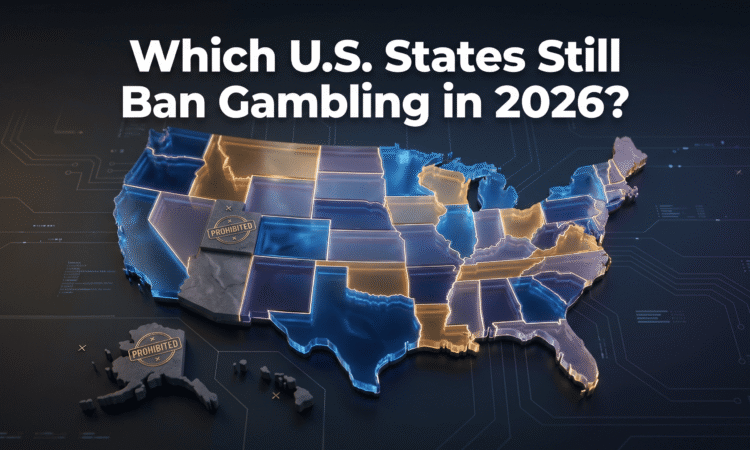
As of mid-2026, the vast majority of states have embraced some form of legal gambling. But two states continue to prohibit it almost entirely. Here’s what every average American needs to know about where gambling remains illegal—and why.
The Two Strictest States: Total Bans
Hawaii and Utah are the only two states in the U.S. that ban nearly all forms of gambling.
- Hawaii: Gambling was outlawed before Hawaii even became a state. There are no casinos, no sports betting, and no state lottery. Even charitable bingo and raffles face heavy restrictions. Cruise ships cannot offer gambling while in Hawaiian waters. Lawmakers have debated legalization in recent years—especially sports betting—but strong cultural and religious opposition, plus concerns over addiction and crime, have kept proposals from passing.
- Utah: The state’s constitution explicitly prohibits all gambling. This Mormon-influenced state has no lottery, no casinos, no sports betting, and no charitable gaming like raffles. Utah’s laws are among the strictest in the nation, reflecting deeply held values around personal responsibility and family life.
Quote from recent reporting: “Hawaii remains one of only two U.S. states, with Utah, with no legal gambling of any kind.”
Not Quite “Illegal Everywhere”: Gray Areas in Other States
While only Hawaii and Utah have near-total bans, several other states heavily restrict gambling. These states often allow a lottery but ban casinos and sports betting:
- Georgia: Has a state lottery but no casinos or legal sports betting.
- South Carolina: Offers a lottery and some limited gaming, but no commercial casinos.
- Alabama, Alaska, Idaho, Texas: These states have significant restrictions. Many lack casinos or statewide sports betting, though some tribal gaming or limited options may exist.
Even in states with legal options, online gambling or certain games can remain off-limits. For example, real-money online casinos are legal in only about eight states as of June 2026.
Why Do These Bans Exist?
The reasons are a mix of history, culture, and politics:
- Religious and moral values — Strong influence from the Church of Jesus Christ of Latter-day Saints in Utah.
- Fear of social costs — Concerns about gambling addiction, family financial harm, and increased crime.
- Political resistance — In Hawaii, lawmakers worry about impacts on tourism and local culture.
Meanwhile, most other states have warmed to gambling as a source of tax revenue, jobs, and economic development—especially after the 2018 Supreme Court decision that opened the door to widespread sports betting.
What Happens If You Gamble Illegally?
In states with bans, illegal gambling (underground poker games, offshore betting sites, or backroom bookies) still occurs. However, participants risk fines, criminal charges, and losing their winnings. Enforcement varies, but authorities occasionally crack down on large operations.
Travelers should also note: Gambling on tribal lands or in neighboring states is often the workaround for residents of restrictive states.
The Bigger Picture: A Rapidly Changing Map
The U.S. gambling landscape continues to evolve. While Hawaii and Utah hold firm for now, bills surface almost every legislative session. In Hawaii, recent efforts included study groups and new proposals to address the underground market.
As more states legalize sports betting and online casinos, the pressure on the final holdouts grows—driven by potential revenue and competition from neighboring states.
Actionable Takeaway
If you live in or plan to visit a restrictive state, check local laws before placing any bets. Use official state gaming commission websites for accurate information, and consider legal options in nearby states or online where permitted. Responsible gambling starts with knowing the rules.
Thought-provoking question: In an era where nearly every state has found ways to profit from gambling, should Hawaii and Utah maintain their strict bans to protect their unique values—or are the economic and personal freedom arguments simply too strong to ignore forever? The answer may shape the final chapters of America’s gambling story.
add a comment
