





52views

Yes, in the United States, you generally must pay taxes on gambling winnings.
Whether you hit a jackpot at the casino, win big on sports betting, or score in the lottery, the IRS treats that money as taxable income. Here’s what every average gambler needs to know in 2026.
The Basic Rule: Winnings Are Fully Taxable
All gambling winnings — cash or the fair market value of prizes — count as income. This includes:
- Casino slots, table games, and keno
- Sports betting
- Lotteries and raffles
- Horse racing and poker tournaments
You must report every dollar you win, even small amounts that casinos or apps don’t report to the IRS.
“Gambling winnings are fully taxable and you must report the income on your tax return,” states the IRS directly.
What Changed in 2026?
A major tax law change took effect this year through the One Big Beautiful Bill Act. While winnings are still reported at 100%, you can now deduct only up to 90% of your gambling losses (and still only up to the amount of your winnings).
Example:
- You win $10,000 and lose $10,000 in 2026
- Previously: You could deduct the full $10,000 → $0 taxable gambling income
- Now: You can deduct only $9,000 → You owe taxes on $1,000 “phantom income”
This change has sparked concern among regular gamblers and the casino industry.
Reporting and Big Wins
Casinos and betting apps must issue you a Form W-2G for larger wins. Starting in 2026, the general reporting threshold rose to $2,000 for many types of gambling (with some variations by game type).
Even without a W-2G, you are still legally required to report all winnings yourself.
Pro Tip: Keep detailed records. The IRS expects you to track wins and losses by session (date, type of bet, amounts). A simple notebook or app can save you headaches.
Can You Reduce What You Owe?
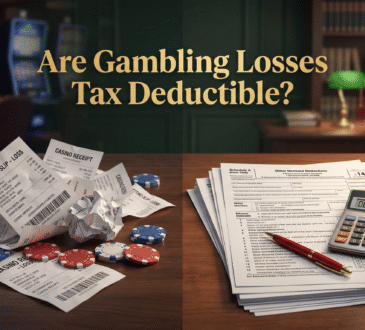
- Yes, but only if you itemize deductions on Schedule A. Standard deduction users get no loss benefit.
- Losses are an itemized deduction, not an above-the-line adjustment.
- You cannot create a net loss to offset other income like wages.
What About Other Countries?
Rules vary widely:
- In the UK, Canada, and Australia, recreational gambling winnings are generally not taxed.
- The U.S. stands out as one of the stricter jurisdictions on this issue.
Actionable Takeaway
Track every bet this year — wins and losses — with dates and details. When tax season arrives, consult a tax professional or use reliable software to properly report on your Form 1040. Missing this can trigger audits and penalties.
Thought-provoking question: If you could break even gambling but still owe taxes on part of it, would you gamble less — or just get better at keeping records? The new rules may force many casual players to think harder about the real cost of playing.
add a comment


Gambling Taxes in Ohio: What Buckeye State Players Need to Know in 2026
You land a big win on a Bengals game through your phone or hit a jackpot at Jack Cleveland Casino....


Gambling Taxes in California: What Every Player Needs to Know in 2026
You hit a jackpot at a tribal casino in Palm Springs or win big on a horse race. The excitement...

Are Gambling Losses Tax Deductible?
Yes, gambling losses are tax-deductible in the United States, but there are several strict requirements and a significant new limitation...
